Luxury goods
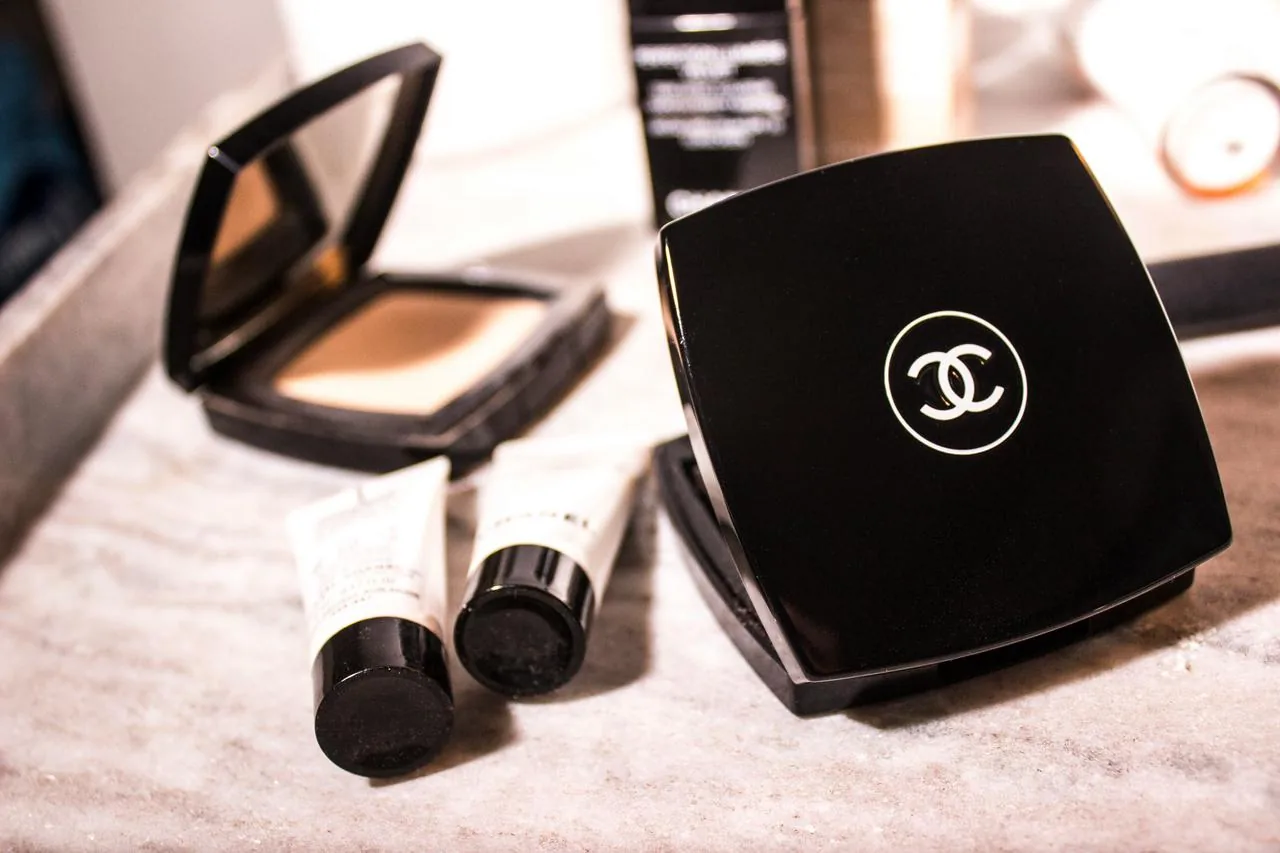
Luxury brands are now focusing more on cheaper goods.
The luxury goods market is now facing a slowdown after its post-pandemic boom in 2022. On top of that, it has to deal with US tariffs and higher costs. Customers are also getting tired of big price increases, which is hurting demand for expensive main products. Because of this, brands like Louis Vuitton and Prada are getting into cheaper items like beauty products and bag charms. They hope to get more customers and boost sales without making their main products seem less special.
Luxury brands are opening cafes to attract new customers with affordable options.
The profit in the luxury market nearly doubled from 2019 to 2024. However, most of this growth came from price increases, not more demand. In 2024, sales went down by 2%, the first real slowdown in 15 years not caused by a pandemic. At the same time, people in Asia are looking for experiences more than products. Younger generations, specifically Gen Z, value personal expression and community. This led brands like Ralph Lauren, Prada, and Coach to open cafes, trying out new ways to offer experiences.
The CEO of Saks has stepped down as luxury retailer is dealing with a lot of debt.
Mark Metrick, CEO of Saks Global, has unexpectedly stepped down. Richard Baker, the current Chairman, is now taking on both roles. The company is currently dealing with several big issues. Two years ago, they took on a lot of debt to buy a competitor. On top of that, the luxury market is really competitive, and the economy isn't great, so people aren't spending as much.
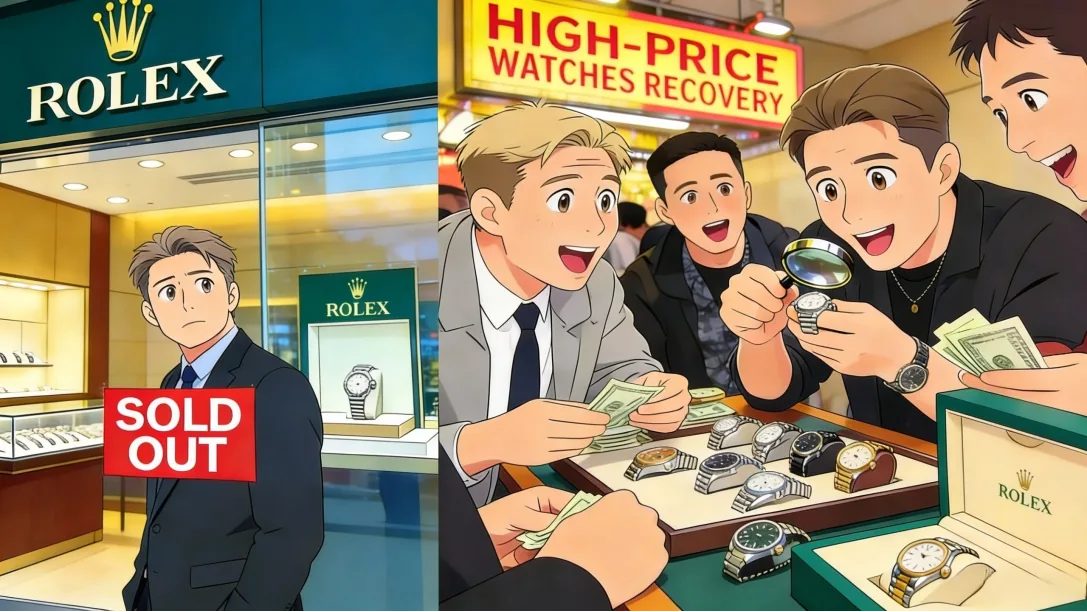
The Three Layers of Truth Behind the Rise of Rolex as a Hard Currency in the US
Over the past three years, something extraordinary has been happening in the US market for pre-owned luxury goods, particularly Rolex watches. Steel Daytonas are selling for up to three times their original price. If you want a Professional model, be prepared to wait years. What about the prices on the used market? They're fluctuating more than tech stocks. It's not just people wanting a nice watch. In the US, it has become common for people to invest in watches because they are worried about inflation, want to show off their wealth, and because the world is changing so quickly. This really shows how we're all feeling after the pandemic: when we don't trust traditional financial systems, we look for physical assets to make us feel secure.
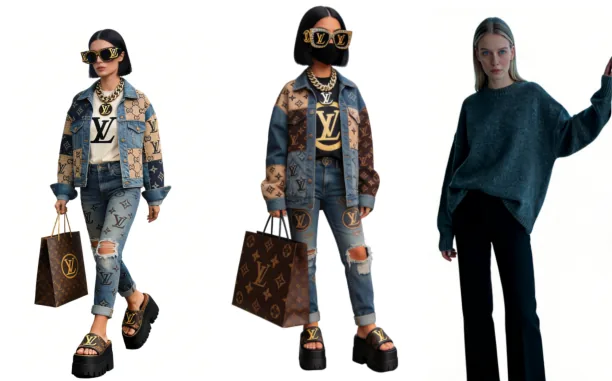
The Demystification of Logos by Generation Z: A Silent Revolution Redefining Luxury Values
Think about it: these young adults, who are super plugged in, are turning their backs on big, showy brand names that used to scream I've made it. It’s not just a passing fad; it’s a whole new way of looking at things. From the cool shops in New York to tech companies in Silicon Valley, there's a vibe of quiet luxury and a bit of logo shame happening. It's like they're saying goodbye to showing off and hello to a more subtle, personal way of defining themselves.
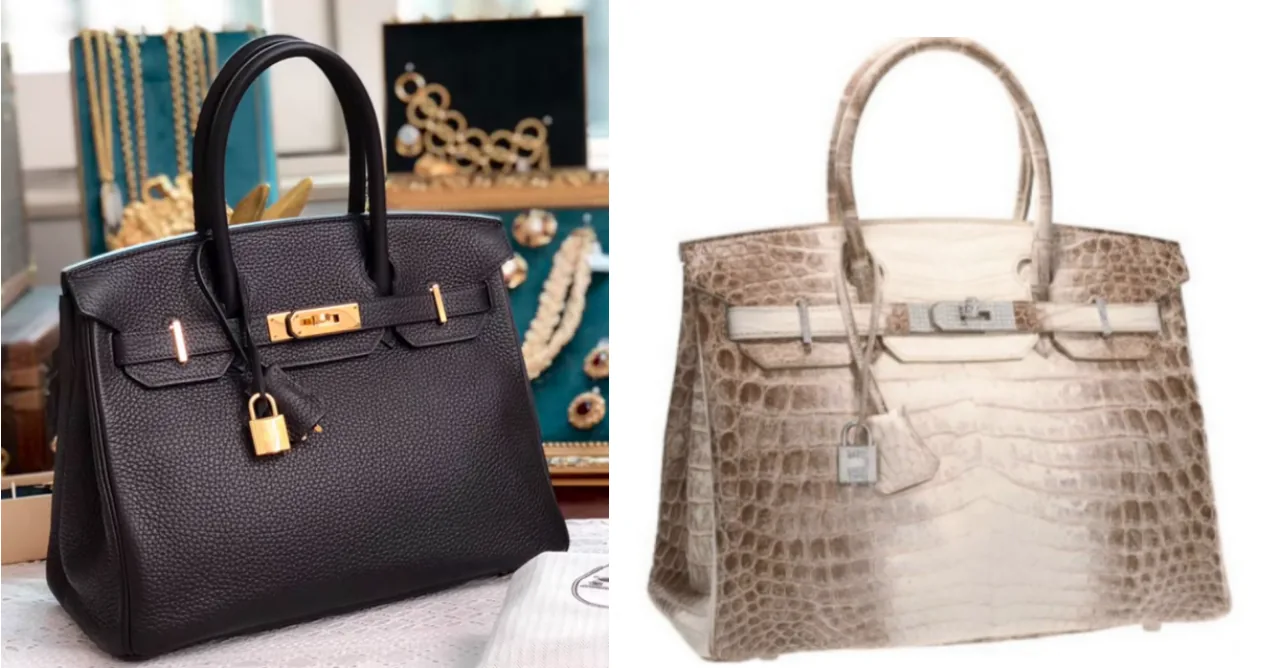
Future Heirlooms” -- A Guide to Investing in Luxury Goods
Nowadays, many American friends, especially those more sensitive to money, have begun to contemplate 'value investing'. They are not only focusing on stocks and funds, but their attention is also turning to some 'non-traditional' areas. Luxury goods have transformed into what people now call 'hard currency' or 'heirlooms'.
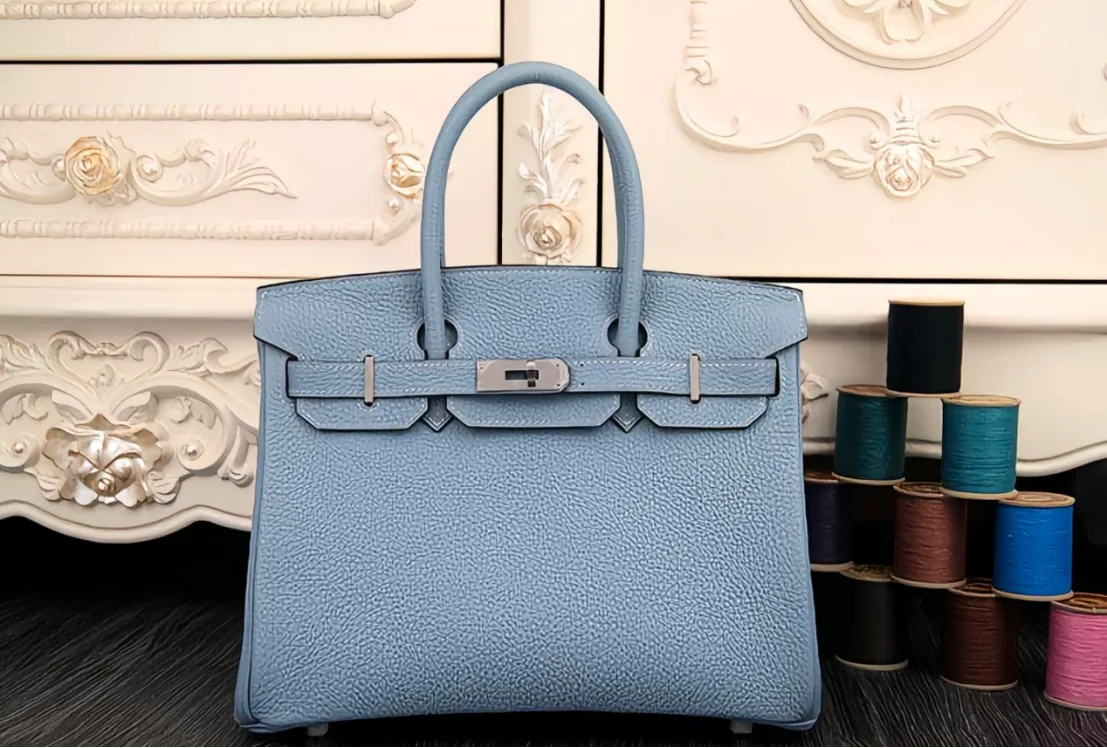
Second-hand luxury goods become family heirlooms
Oh, when it comes to investment, don’t we all feel it’s a bit out of reach for ordinary folks? It often seems like something only financial moguls can navigate. But today, I’d like to talk about an interesting topic—what I call the future heirlooms in our daily lives. These are treasures you might not expect but actually hold immense potential for appreciation.
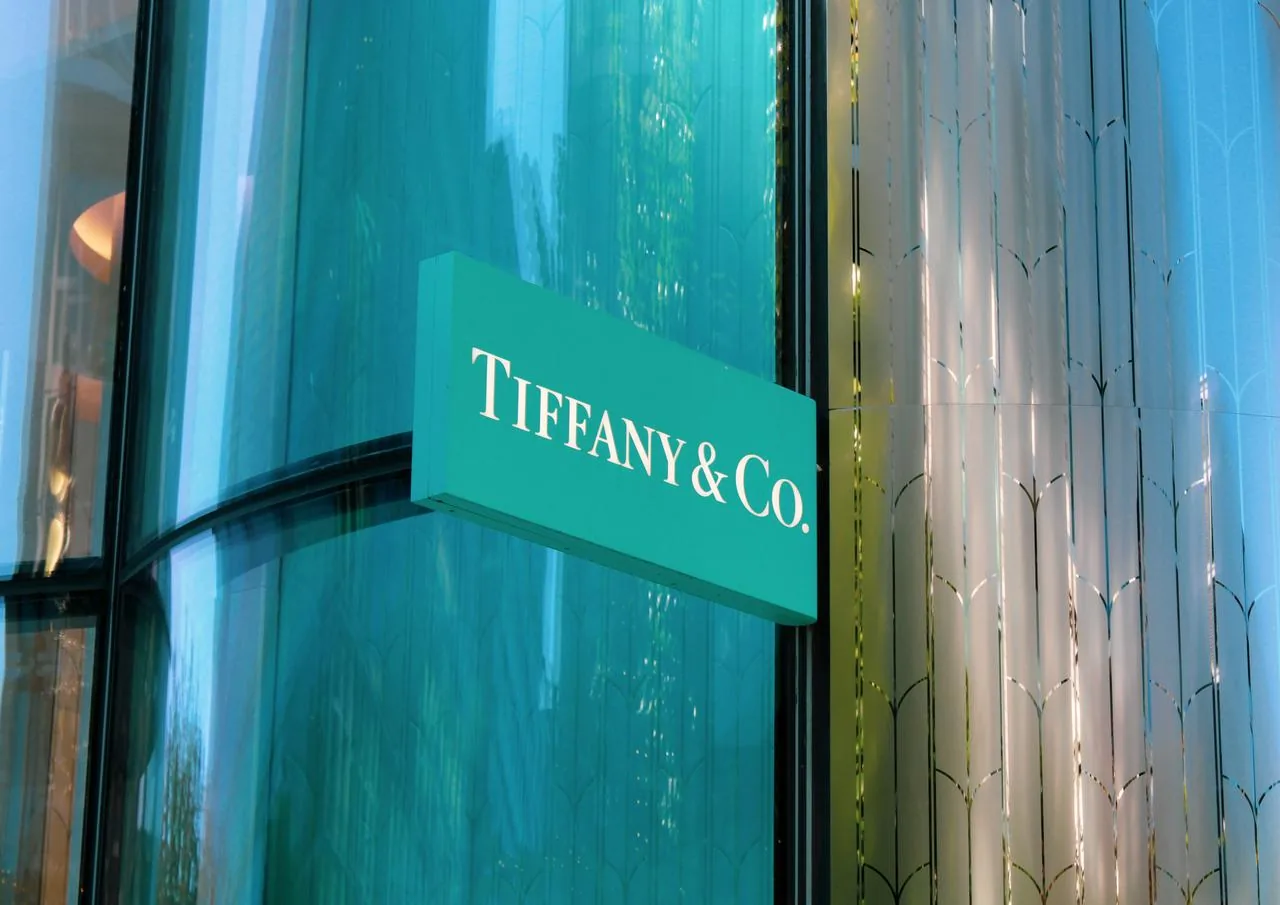
Does Tiffany really mean true love? What Americans think about jewelry and feelings.
You always see couples waiting in line outside Tiffany's main store in New York. And in movies, guys are always pulling out those little blue boxes to propose. For many Americans, Tiffany seems to be the gold standard for true love. But can a brand-name piece of jewelry really stand for how much you love someone? If we look at how Tiffany marketed itself and what real Americans say about love, we get some different answers.
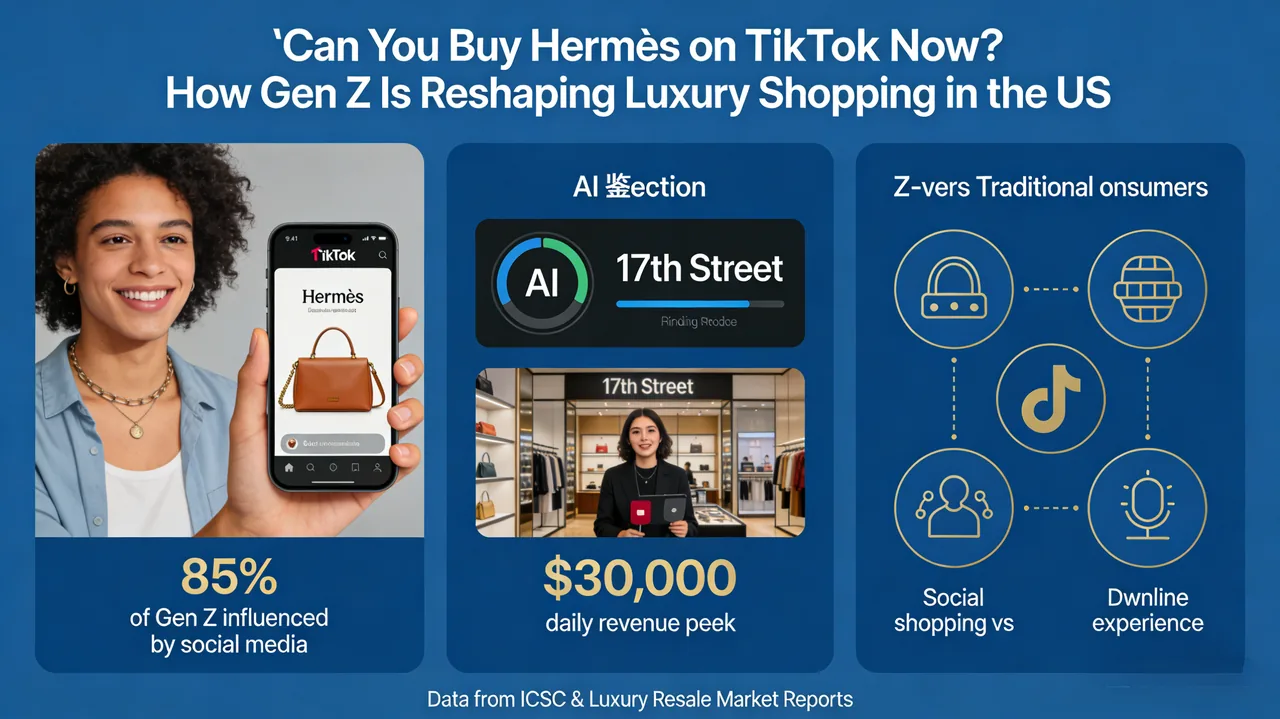
Wait, You Can Buy Hermès on TikTok Now? How Gen Z is Changing Luxury Shopping in the US
Imagine scrolling through TikTok and suddenly spotting your dream Hermès bag, ready to buy right then and there. Some of these fancy bags go for as much as $11,000. This isn't just a dream anymore; it's happening on TikTok Shop's US site. When big names like Hermès, Chanel, and Louis Vuitton, who used to only sell in fancy stores, start selling on a social media site full of young people, it's not just changing how luxury stuff is sold in the US. It's also quietly changing how Americans shop.
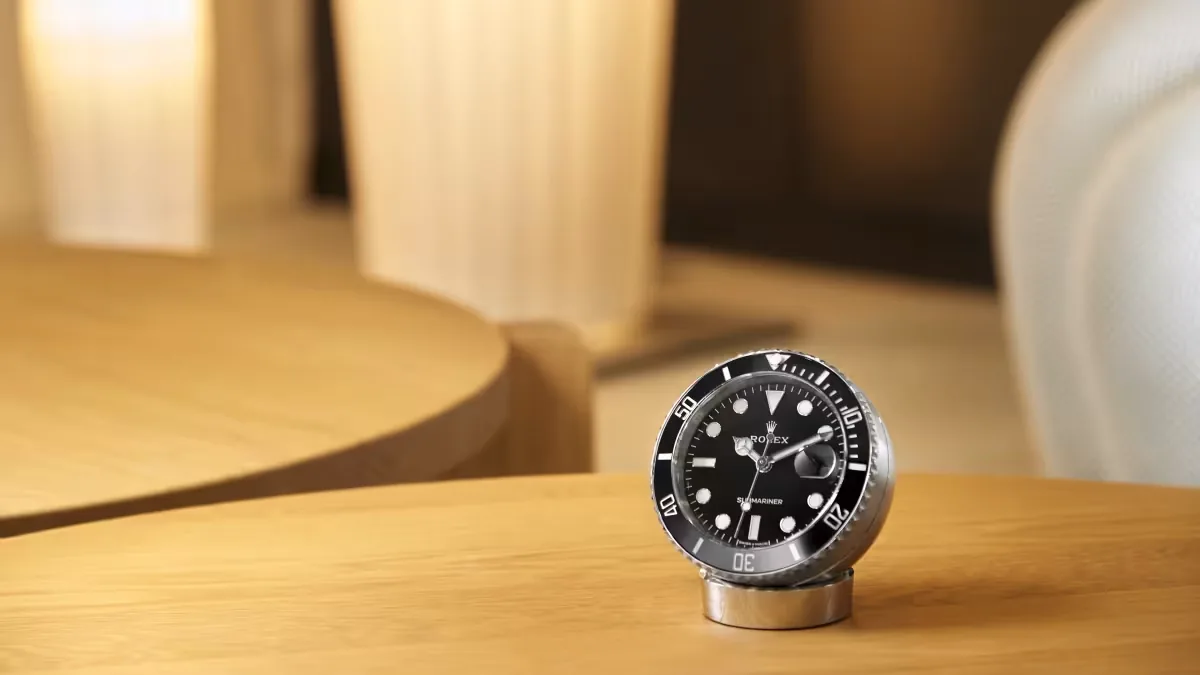
Premium Over $7,000! Why Rolex Submariner Date Desk Clock Outshines Watches as the New Auction Favorite?
2025 has brought an unexpected highlight to the U.S. high-end auction market: Rolex’s first-ever Submariner Date Desk Clock (affectionately known as the Black Sub desk clock) held its debut auction on the renowned pre-owned platform Bezel. After 50 rounds of fierce bidding, the clock sold for $17,750—representing a $7,480 premium over its $10,270 official retail price, a staggering 73% increase. This result not only exceeded market expectations but also outperformed the average transaction prices of Submariner wristwatches in the same collection, making it a hot topic in the luxury collecting community.
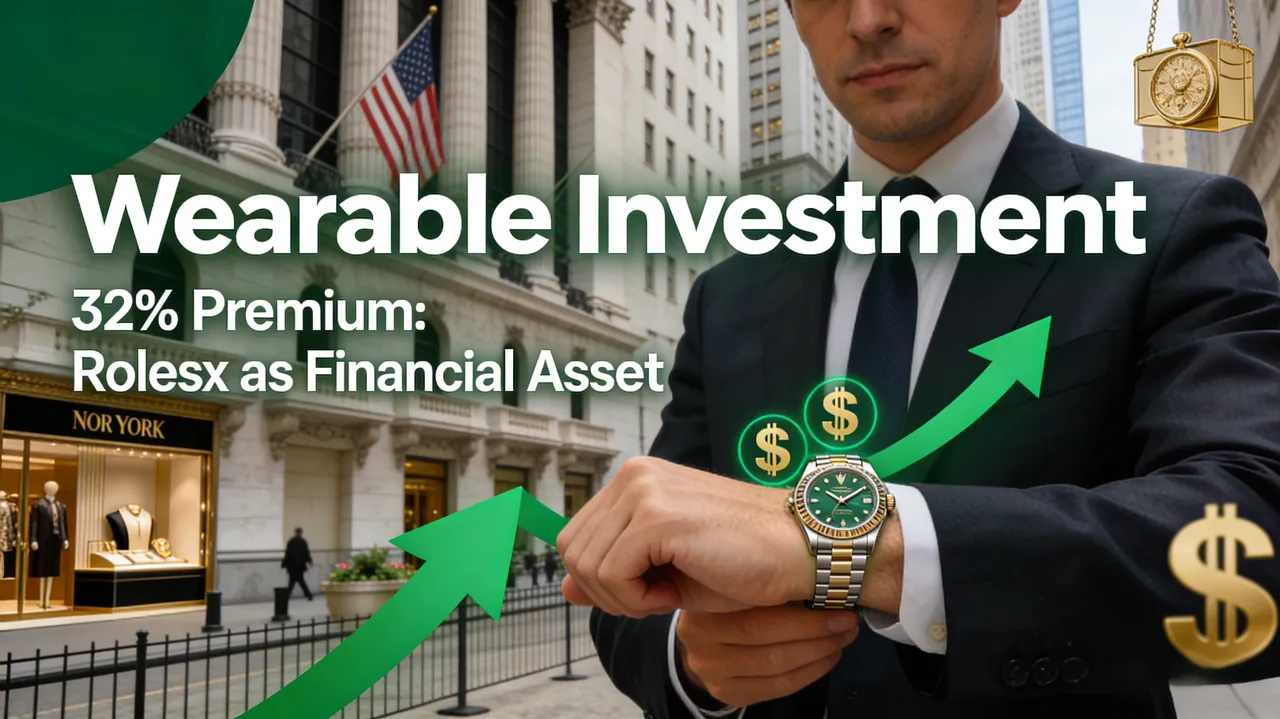
32% Premium! Why Pre-Owned Rolexes Have Become Americans’ Wearable Investments?
In 2025, the U.S. pre-owned luxury market continues to boom. According to Bob’s Watches’ Annual Report, the price of pre-owned Rolex watches has soared by 550% over 15 years, with some popular models commanding a premium of up to 32%—outperforming returns from stocks and real estate. In high-end resale stores across New York and Los Angeles, lines of consumers vying for pre-owned Rolexes have become a common sight.
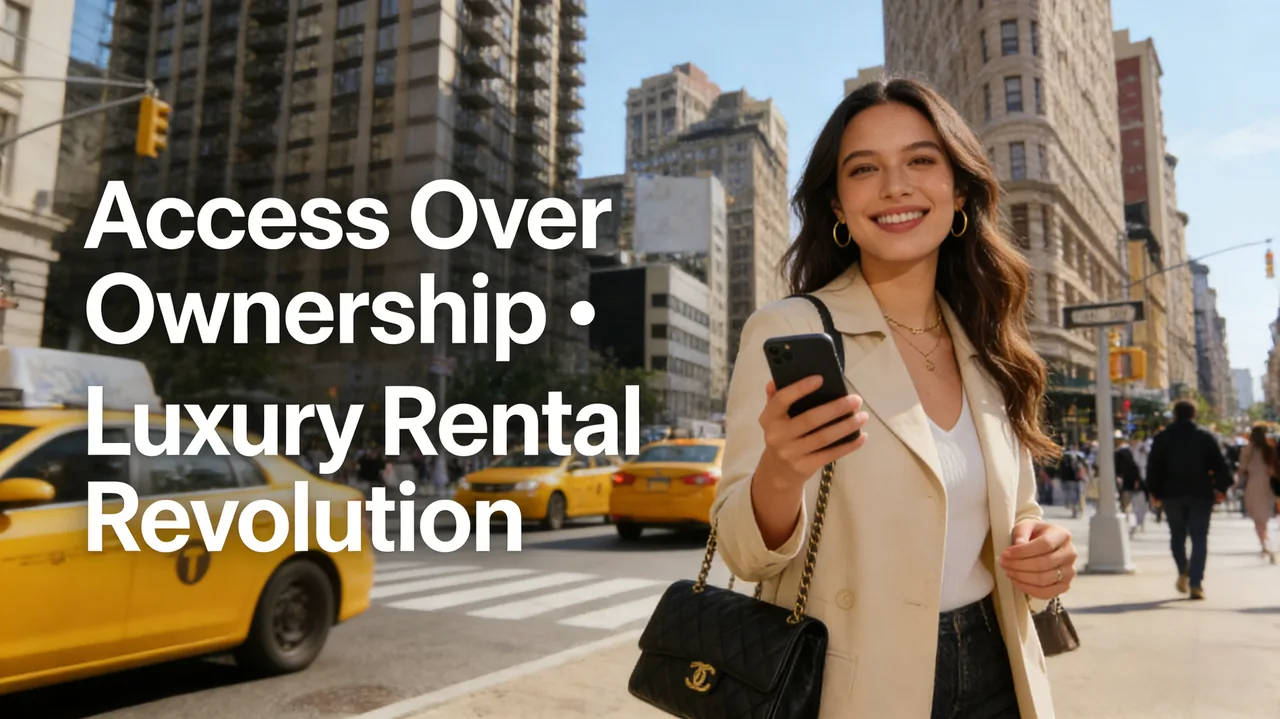
$45/Month for a Chanel? Are Bag-Renting Socialites Rewriting U.S. Luxury Rules?
LuxuryRentalRevolution has surpassed 500 million views, with a New York professional’s daily vlogs sparking a frenzy: Celine for Monday commutes, Dior for Wednesday dates, and Chanel for weekend parties—all luxury pieces totaling over $20,000, yet rented. As Vivrelle’s $62 million Series C funding round made waves on Wall Street, the U.S. luxury rental market is experiencing explosive growth. Is this access over ownership revolution truly upending the fundamental logic of high-end consumption?
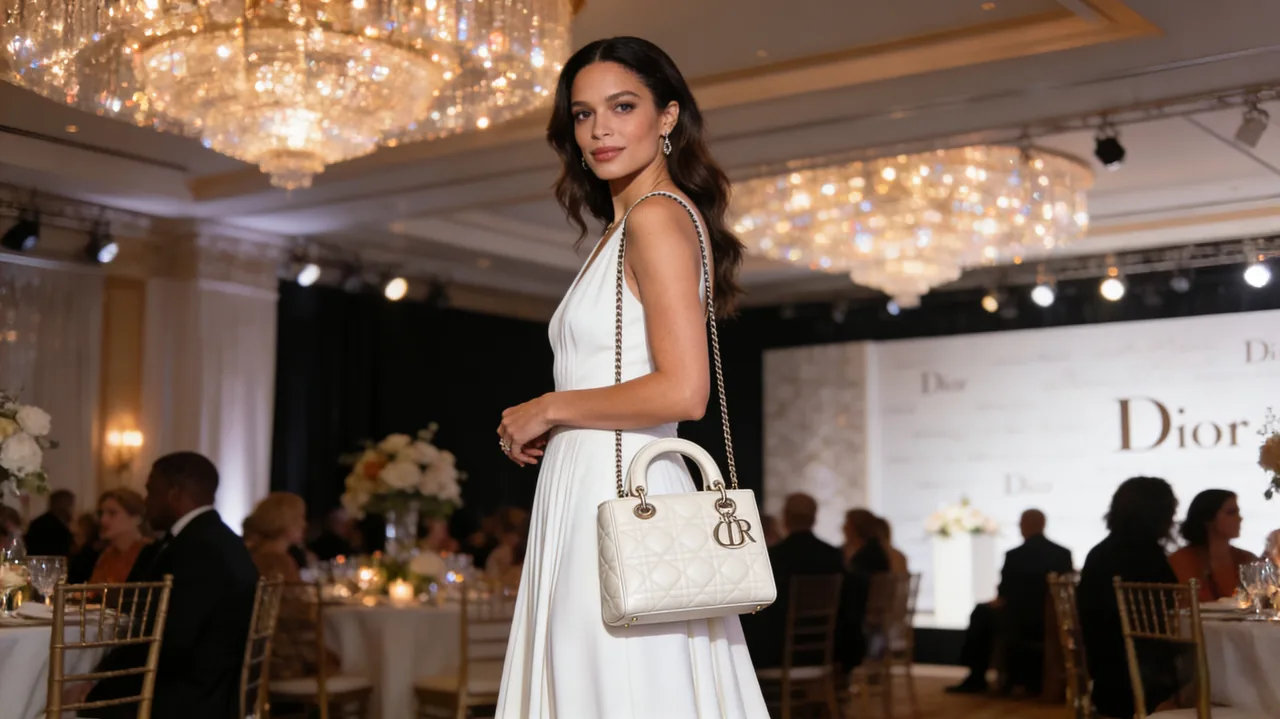
Authenticity Unlocked: 3 Expert Ways to Spot Fake Luxury Handbags
You’re browsing a vintage boutique or zooming in on reseller photos—for luxury lovers, “buying authentic” is the first line of defense in protecting your passion. True luxury handbags weave craftsmanship into every stitch and quality into every material, while fakes can never replicate the decades of standards these brands uphold. Below are 3 proven strategies to distinguish genuine pieces from counterfeits, safeguarding your investment and love for luxury.
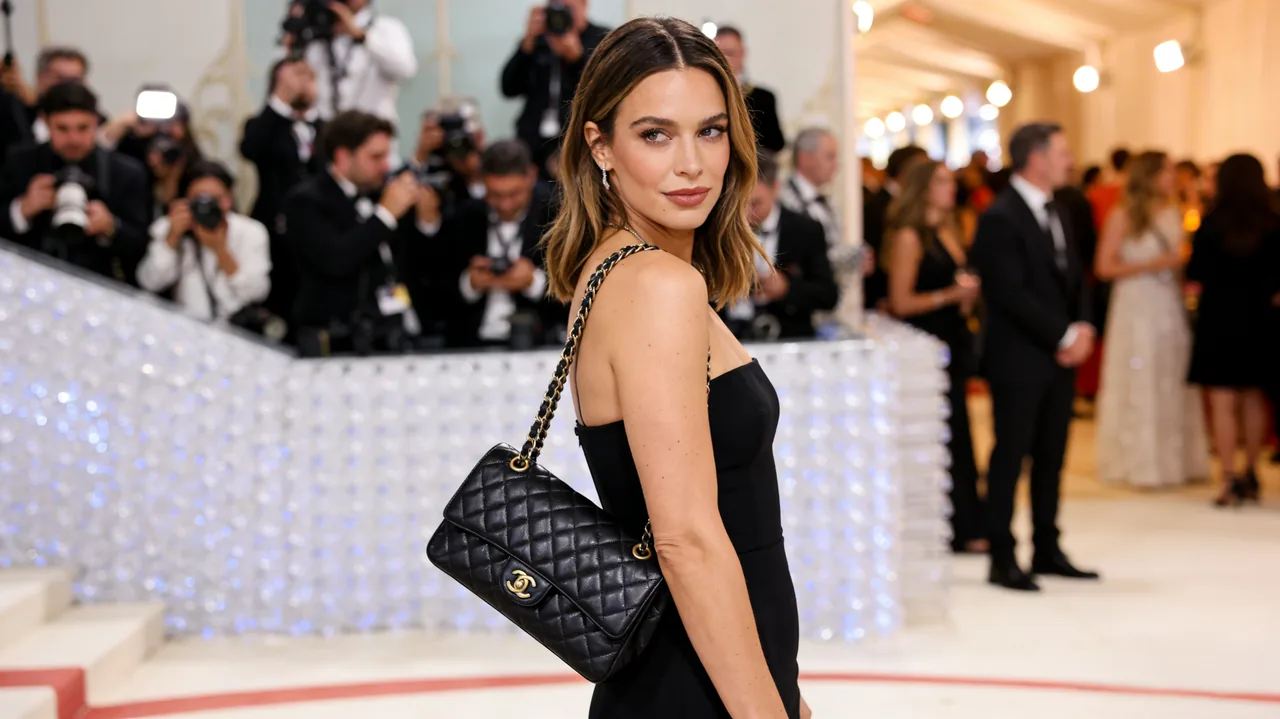
Timeless Legends: 3 Iconic Luxury Handbags That Never Go Out of Style
In the windows of Paris’s Rue Cambon, a Chanel 2.55 rests quietly; front row at Milan Fashion Week, a Gucci Jackie 1961 complements haute couture seamlessly. True luxury handbags are more than just trend symbols—they’re timeless heirlooms, crafted with era-defying design and meticulous artistry that carry style and stories for generations. Below are 3 legendary pieces that have stood the test of time.
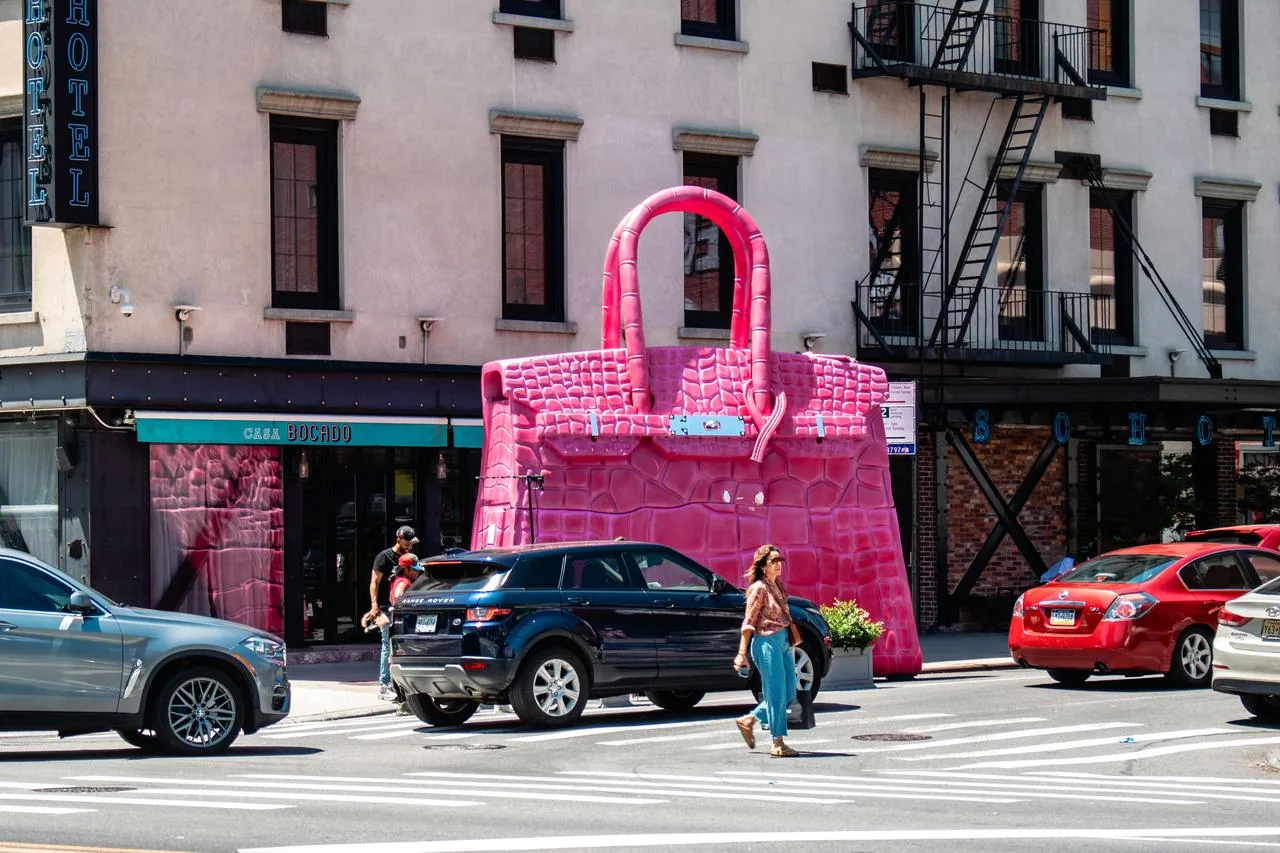
Top Tier Luxury: The Definitive Ranking of Three Iconic Handbag Brands
At a private viewing in Paris’ Place Vendôme, three iconic handbags rest atop velvet displays — the waxed-thread stitching of Hermès’ Birkin glows softly, the quilted pattern of Chanel’s Classic Flap sits as plush as a cloud, and Louis Vuitton’s Speedy, crafted from Monogram canvas, bears the patina of time. As the global luxury handbag market maintains a steady annual growth rate of 12% (Bain & Company, 2024), true top-tier rankings are defined not by fleeting trends, but by craftsmanship, heritage, and exclusivity.