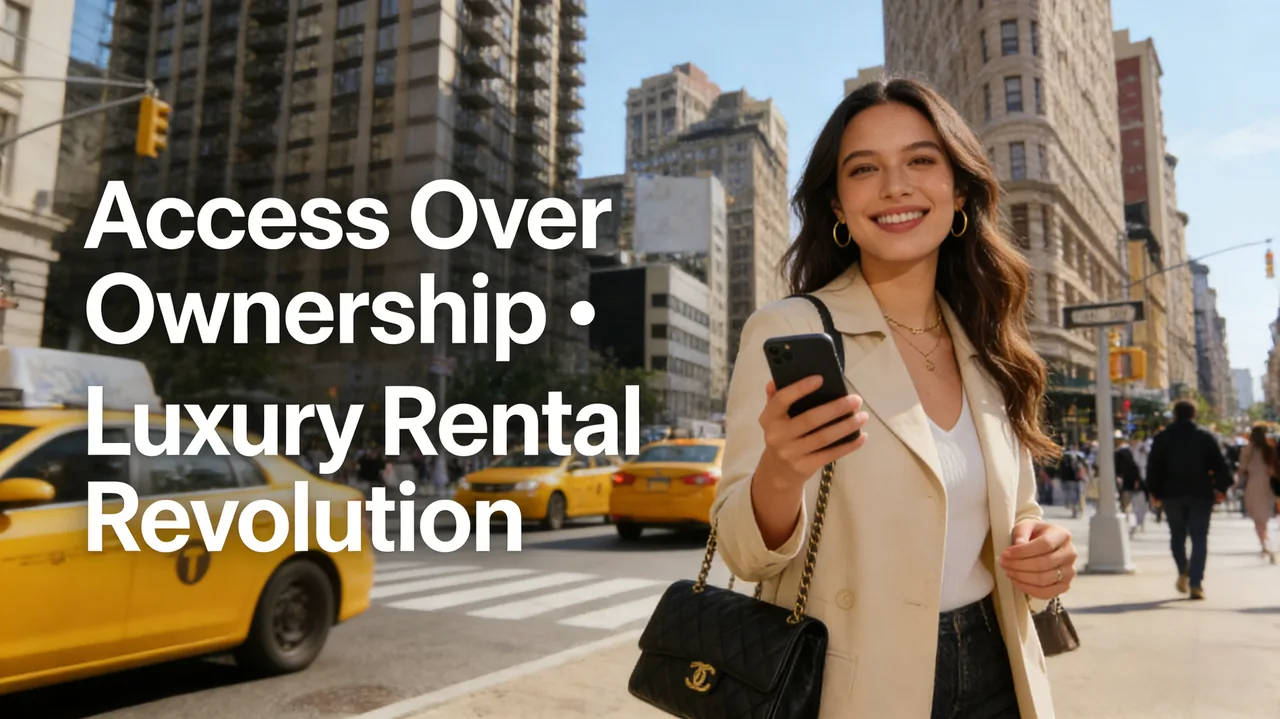
$45/Month to Unlock a Luxury Wardrobe
The U.S. luxury rental market has entered a mature boom phase, reaching $9.5 billion in transactions in 2023—an 18% year-over-year increase. Vivrelle’s membership model has become an industry benchmark: its $45/month Premier plan grants access to accessories under $1,000, while the $219/month Couture tier unlocks limited-edition pieces valued above $4,000. This unlimited rentals + try-before-you-buy model perfectly caters to Gen Z’s priorities—BCG data shows 21% of American 90s-born consumers continued renting luxury items during the pandemic, with two-thirds preferring to pay for experiences over ownership. On Trustpilot, over 80% of members note that renting makes luxury part of daily life.
The Consumption Revolution: From Owning to Circulating
Rental platforms are blurring the line between ownership and access. Vivrelle opened a 13,000-square-foot showroom in New York and partnered with Four Seasons Hotels, allowing members to pick up items in person or enjoy two-day shipping. Rent the Runway, meanwhile, has standardized the entire lifecycle of each piece—cleaning, repairing, and circulating—through its automated logistics system. A key game-changer is the rental-to-purchase credit mechanism: members receive exclusive discounts on coveted items, and their accumulated rental payments can be directly applied toward the purchase price, significantly lowering the decision threshold. This model transforms Cartier jewelry and Chanel handbags from heirlooms locked in safes into dynamic statement pieces on social media.
The Luxury Industry’s Bilateral Tug-of-War
Challenges persist amid the transformation. Some consumers have complained about account freezes and lengthy insurance assessment processes, while high-value items pose significant logistics and insurance costs for platforms. Traditional brands are divided: Dior has launched an eco-friendly recycling program to align with sustainability trends, while some jewelry brands worry that renting will erode full-price sales. However, data paints an optimistic picture—New York jeweler Verstolo reported a 30% increase in conversion rates for engagement ring purchases among rental customers, proving rentals have become a new channel for brands to cultivate young consumers. Exane predicts the U.S. high-end luxury rental market will maintain an annual growth rate of 10%-12% over the next five years. As young Americans walk down Fifth Avenue with rented luxury goods, the core value of luxury is shifting from status symbols to experience enablers. Rental platforms haven’t eliminated ownership entirely, but they’ve restructured the rules of high-end consumption. Driven by both sustainability values and Gen Z’s consumption mindset, the light ownership, heavy experience luxury ecosystem may be the industry’s future. Are you ready to join this luxury consumption revolution? Share your thoughts below.