Beauty
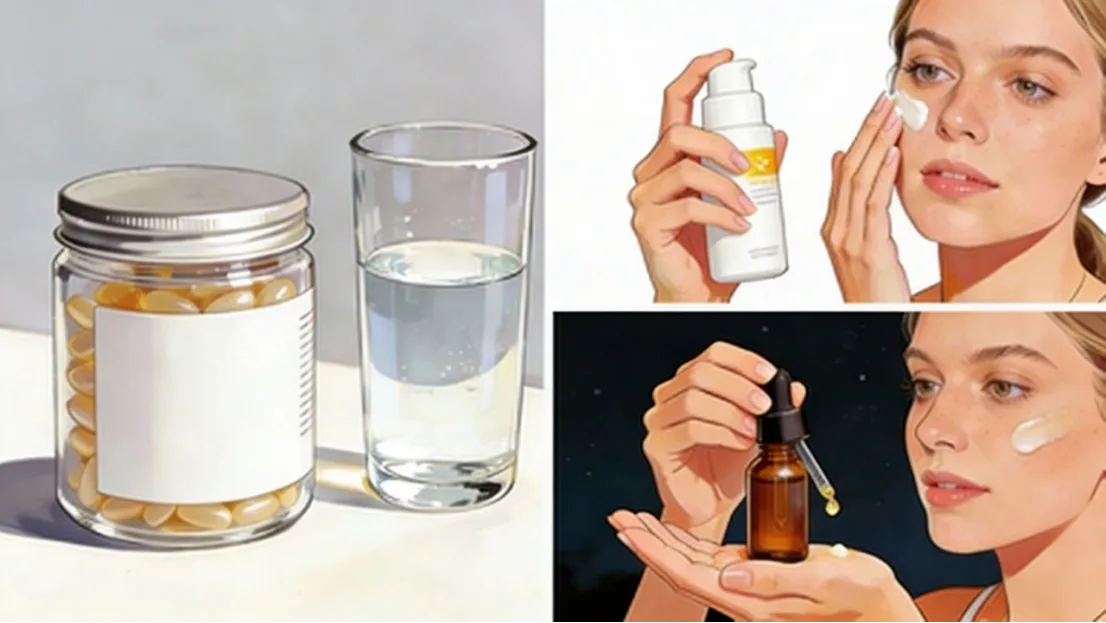
Integrated Skincare: A Health Revolution Bridging Inner and Outer Well-being, Technology and Nature
Taking care of your skin is more than just a routine; it's a special time for yourself. When you really focus on each step, it's like hitting pause on the world's craziness. It helps calm your nerves and makes you feel totally relaxed. This makes skincare a really important part of keeping your spirits up. The whole skincare world is changing big time. It's moving past just one-trick solutions and bringing together inside wellness with outside beauty, blending cool tech with natural goodness. Consumers now perceive skincare as more than just topical application; it is also a form of holistic, systematic wellness management. This shift is driving the industry's transformation from product-centric sales to personalized health solutions, establishing “integrative skincare” as the dominant trend.
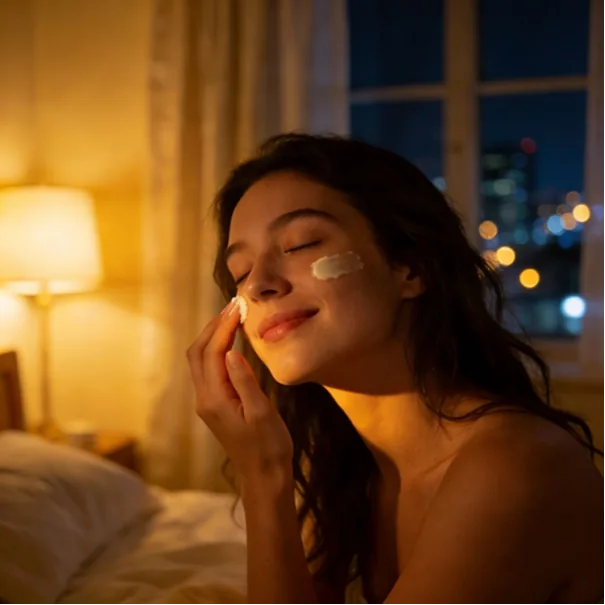
Beauty and Skincare: Elevating from Beauty Aspirations to Health-Centered Living Practices
Taking care of your skin is about more than just a routine. It's also a special time of day just for you!Each step can be a mini-meditation, helping you push away all the daily noise and worries. It's a great way to relax and feel good, turning skincare into a soulful pick-me-up.
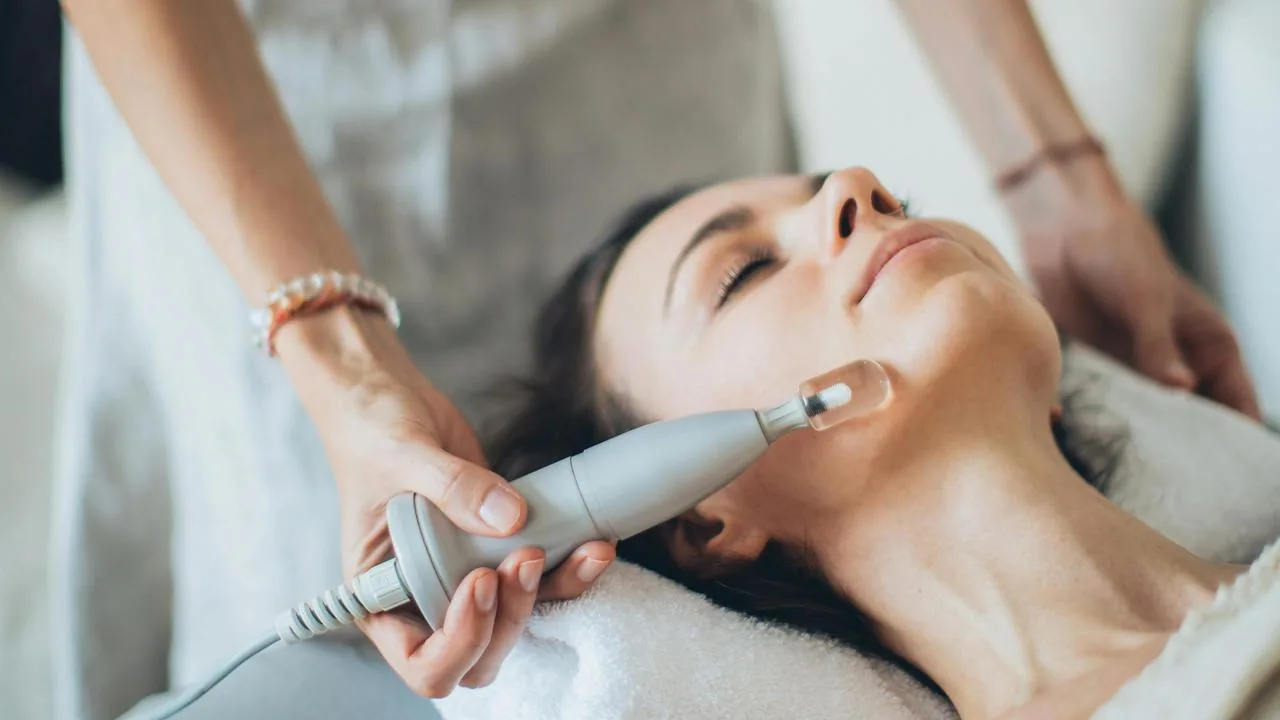
Advanced Laser Treatments Are Becoming More Accessible in the U.S. Beauty Market
Laser-based skin treatments were once largely limited to specialized dermatology clinics serving a small, high-end segment of consumers. In recent years, however, advances in laser technology and shifts in consumer behavior have pushed these treatments closer to the mainstream U.S. beauty market. Rather than being positioned solely as corrective procedures, laser treatments are increasingly discussed within the context of long-term skin maintenance, reflecting broader changes in how Americans approach professional aesthetic services.
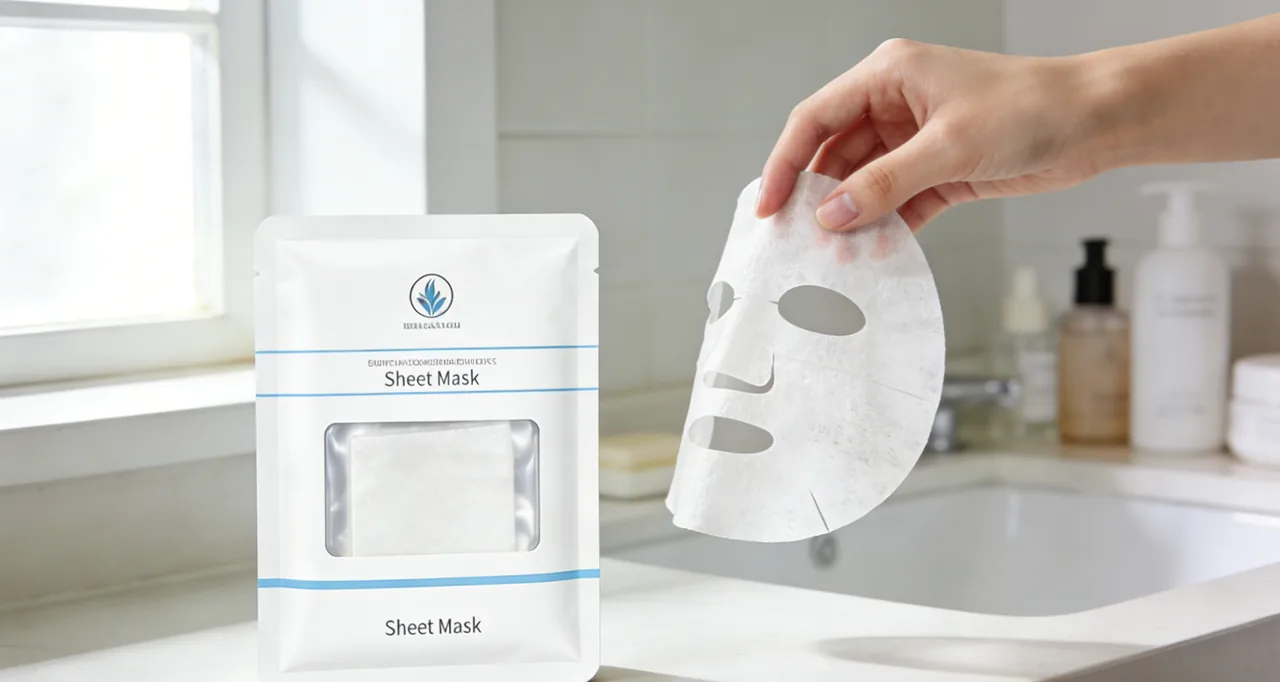
Sheet Masks Are Back — but Not the Way They Were Five Years Ago
Sheet masks once symbolized the peak of skincare trend culture in the U.S. market. Known for playful packaging and quick, visible results, the category appeared to fade after years of saturation. In 2025, however, sheet masks are quietly reentering American skincare routines — though with a different purpose than before. Rather than serving as novelty items or occasional indulgences, sheet masks are increasingly positioned as functional additions within routine-based skincare, particularly in recovery and maintenance contexts.
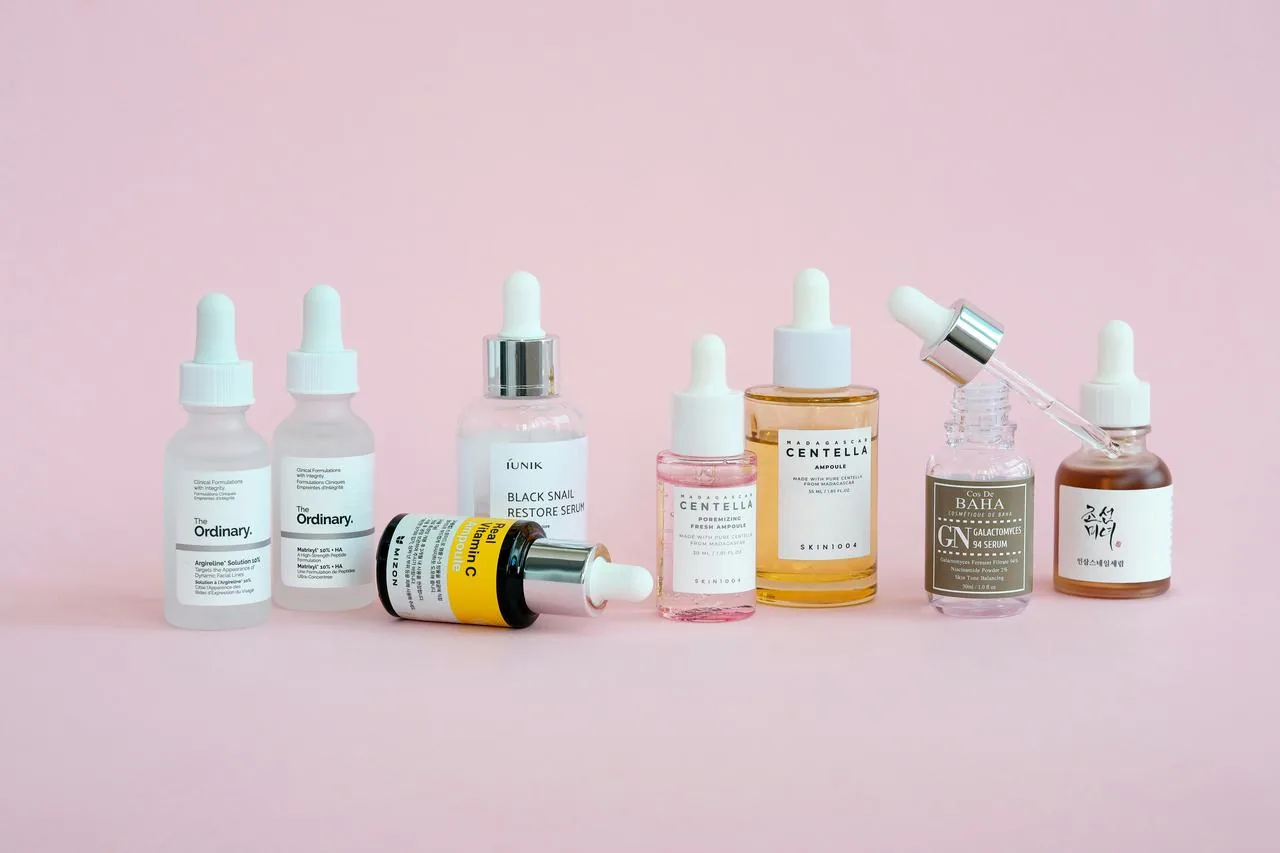
K-Beauty’s Expanding Role in the U.S. Skincare Market
Once a niche category in American beauty aisles, Korean skincare has become a fast-growing segment of the U.S. market. Industry data shows steady gains in both online engagement and retail presence, driven largely by younger consumers and social-media-led product discovery. Rather than displacing established U.S. brands, analysts say the rise of Korean beauty — often referred to as K-Beauty — is reshaping consumer expectations around skincare routines, ingredients, and pricing.
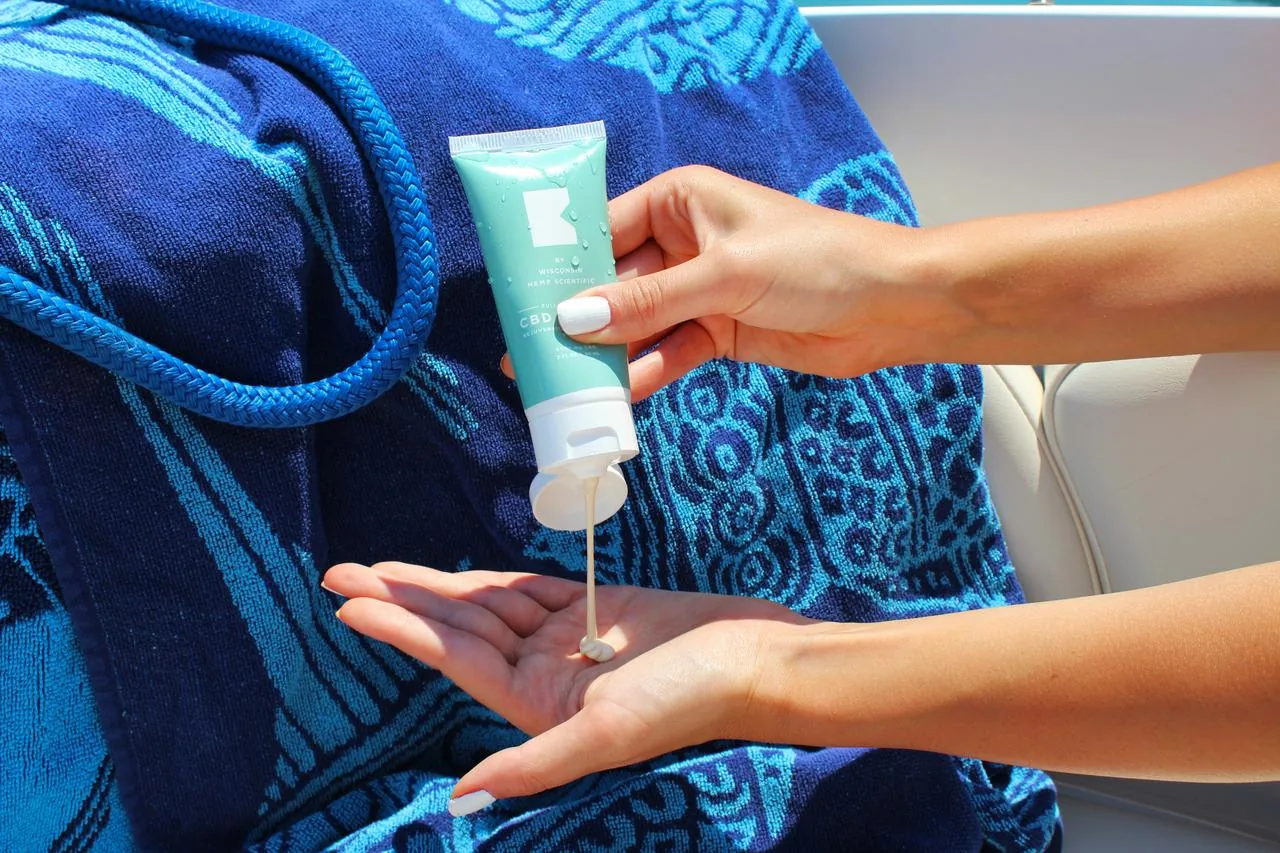
A Potential Shift in U.S. Sunscreen Standards: What Bemotrizinol Means for Consumers
For more than two decades, sunscreen options in the United States have been shaped by a relatively limited list of approved active ingredients. That may be poised to change. In late 2025, the U.S. Food and Drug Administration (FDA) proposed a rule that would permit the use of bemotrizinol, a broad-spectrum ultraviolet (UV) filter that has long been used in parts of Europe and Asia, pending final regulatory review.If finalized, the proposal would mark the first significant expansion of the U.S. sunscreen ingredient list since the late 1990s — a development closely watched by dermatologists, public health experts, and the skincare industry.
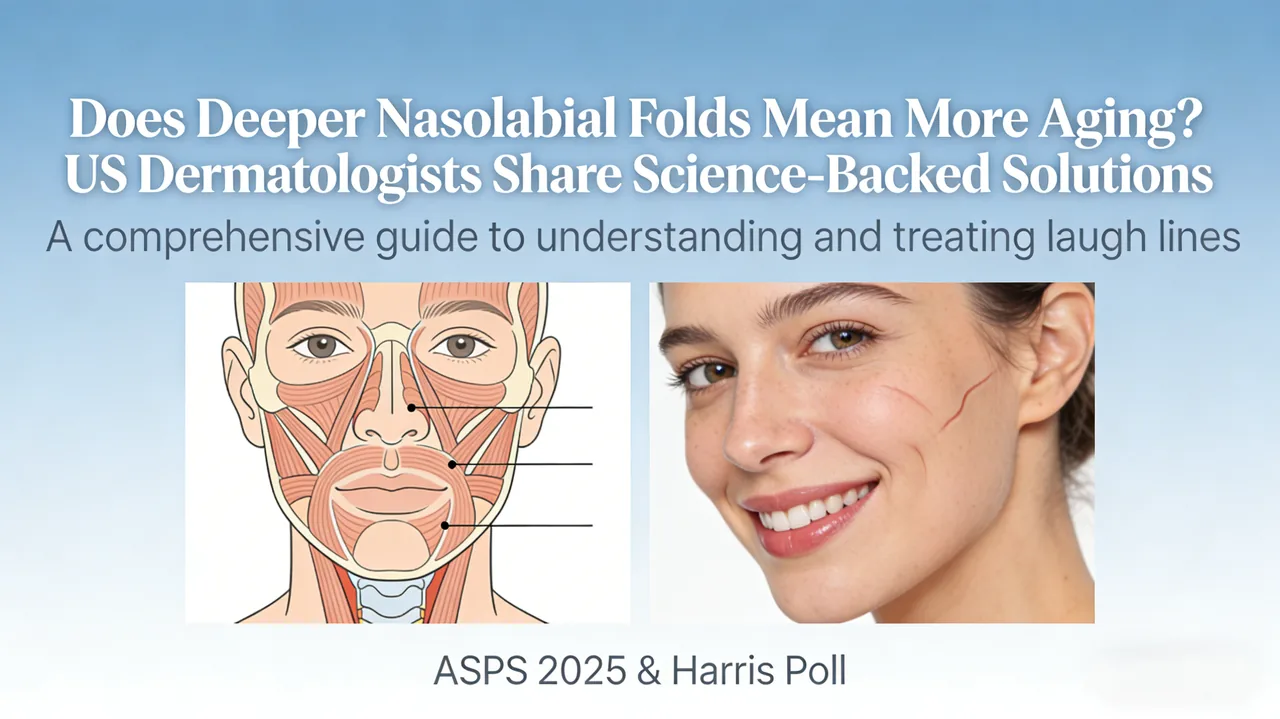
Does Deeper Nasolabial Folds Mean More Aging? US Dermatologists Share Science-Backed Solutions
Nasolabial folds (commonly called laugh lines) are no longer just a concern for older adults. In the U.S., everyone from people in their 20s to those over 50 struggles with these signs of time. According to the American Society of Plastic Surgeons (ASPS), nasolabial fold filler is the second-most popular non-surgical cosmetic procedure nationwide. Meanwhile, a Harris Poll found that over 8 million U.S. Cosmetic patients deal with filler fatigue. Why are these lines so stubborn, and how can we address them scientifically?
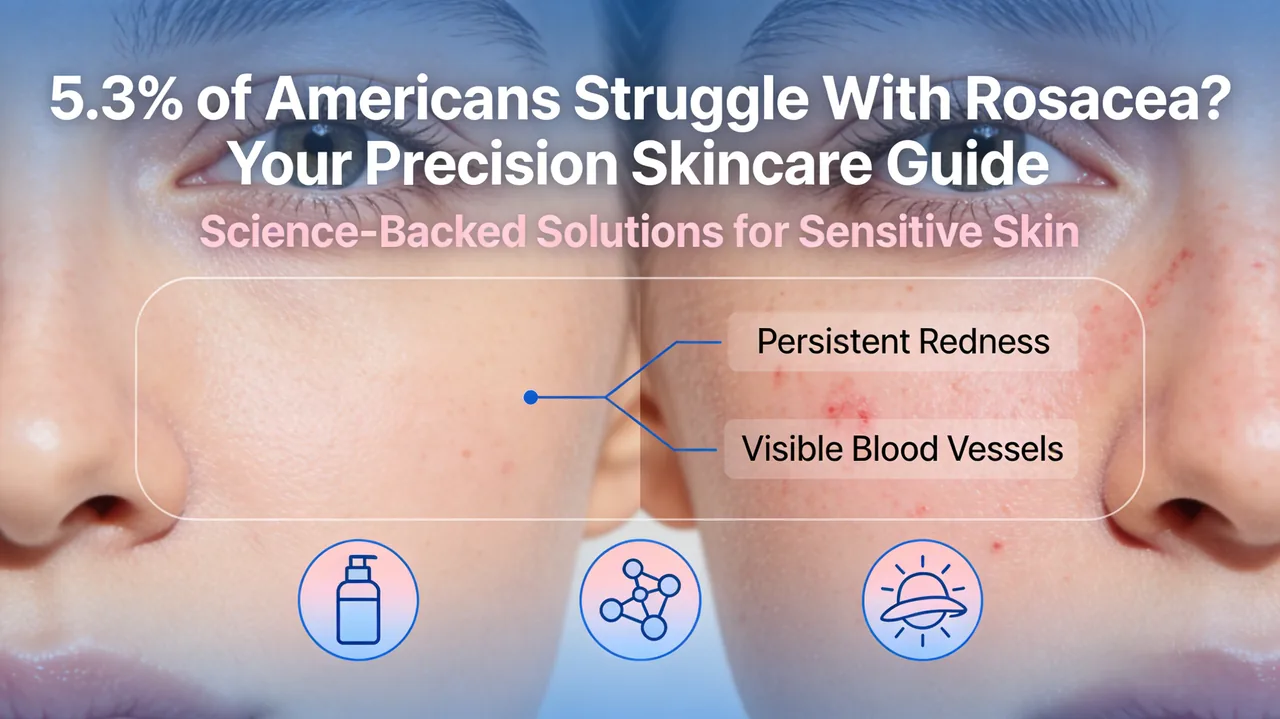
5.3% of Americans Struggle With Rosacea? Your Precision Skincare Guide
According to epidemiological studies, rosacea affects 5.3% of the U.S. population—meaning 1 in 20 Americans lives with this chronic inflammatory skin condition. Characterized by persistent redness and visible blood vessels in the central face, it often overlaps with sensitive skin and worsens with triggers like temperature changes, alcohol, and spicy foods. For long-term relief, science-backed, targeted skincare is non-negotiable. Below are three core principles to stabilize your skin.
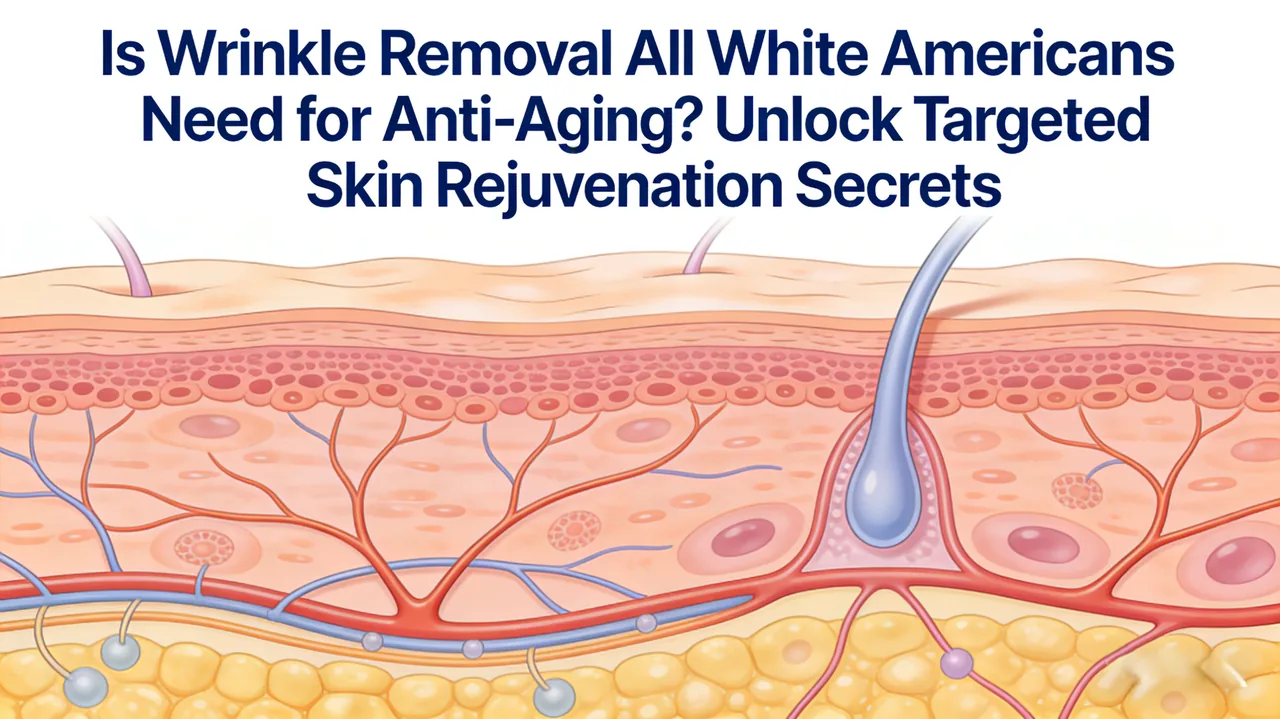
Is Wrinkle Removal All White Americans Need for Anti-Aging? Unlock Targeted Skin Rejuvenation Secrets
In the U.S. skincare industry, the misconception that anti-aging for white Americans = just wrinkle removal persists. In reality, most white Americans fall into Fitzpatrick Skin Types I-III—characterized by low melanin levels and thinner stratum corneum. While wrinkles may appear earlier, photoaging caused by UV damage (including hyperpigmentation, enlarged pores, and collagen loss) is the core aging concern. Scientific anti-aging requires moving beyond single-focus wrinkle treatments; laser therapy and alpha-hydroxy acid (AHA) peels stand out as ideal solutions, tailored to the unique needs of white skin.
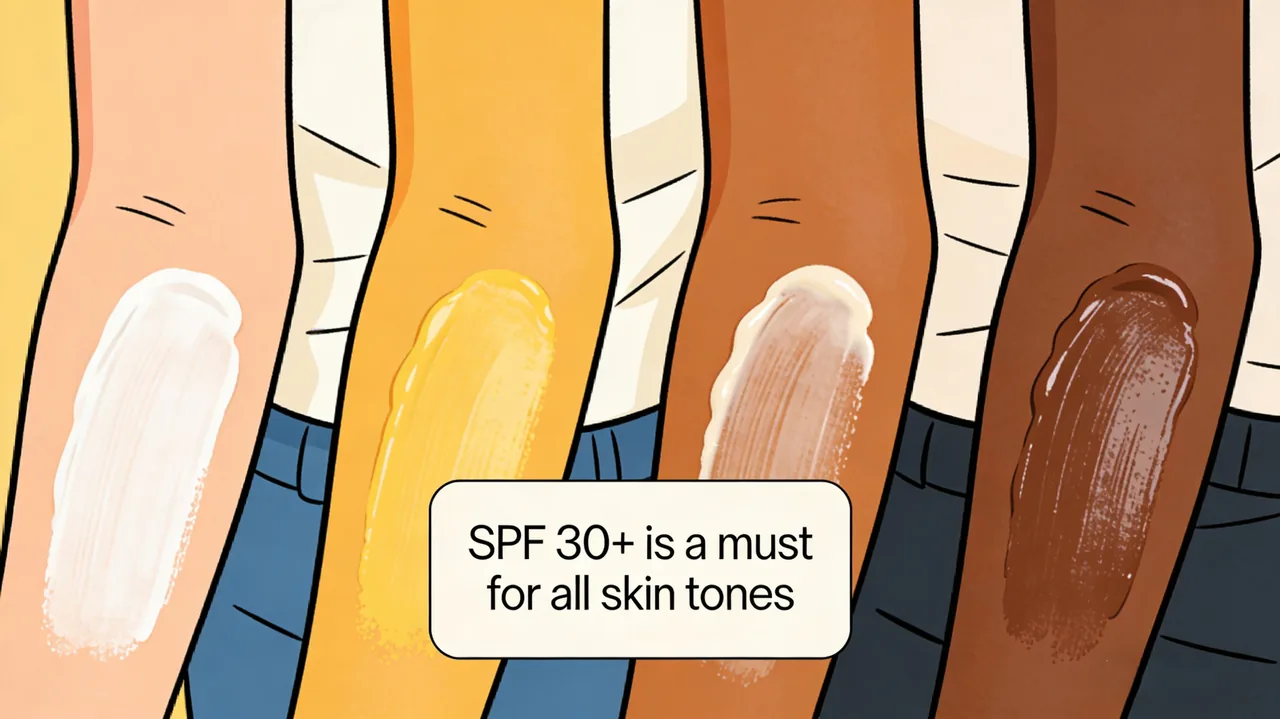
Do Dark Skins Really Need No Sunscreen? A Scientific Sunscreen Guide for African Americans
In African American communities across the U.S., the myth that dark skin comes with built-in sun protection persists, leading to significantly lower sunscreen usage rates compared to other ethnic groups. But is this really true? While the natural melanin in African American skin offers basic defense against the sun, it is by no means a get-out-of-sun-protection-free card. From skin physiology to clinical data, there’s overwhelming evidence that targeted sun protection is critical for African Americans’ skin health. Below, we break down the scientific facts and actionable strategies.