Technology Is Reducing Practical Barriers
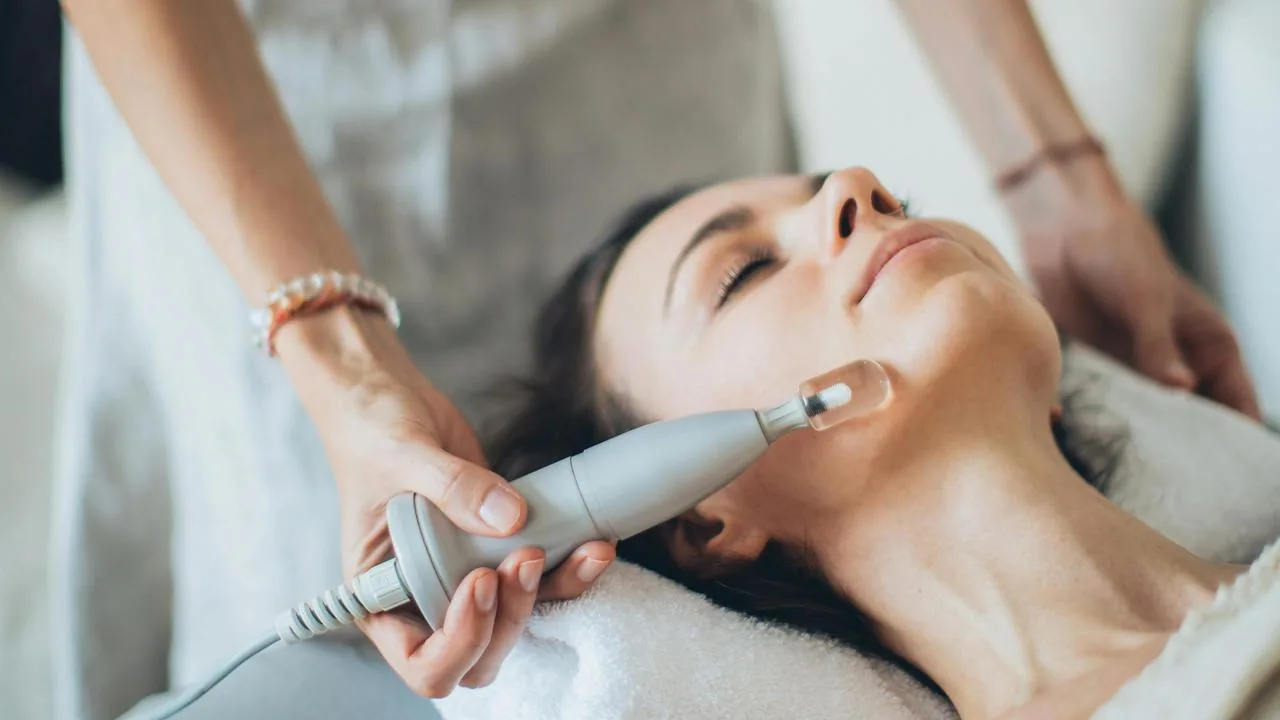
Newer laser systems are often designed with greater precision and flexibility, allowing practitioners to customize treatment plans based on individual needs and schedules. Compared with earlier generations, these systems tend to support shorter appointments and more predictable treatment planning. From a market standpoint, this has lowered some of the practical barriers that once limited laser treatments to a narrow audience, making them easier for consumers to consider alongside ongoing skincare spending.
Consumer Perceptions Are Shifting
At the same time, consumer attitudes toward professional skin treatments are evolving. Many U.S. consumers now view in-office procedures less as one-time interventions and more as periodic components of a broader skincare strategy. This shift mirrors trends in at-home skincare, where prevention, consistency, and maintenance have gained prominence over quick, dramatic results. Laser treatments are increasingly framed as complementary to daily routines rather than substitutes for topical products
Industry Implications Beyond Clinics
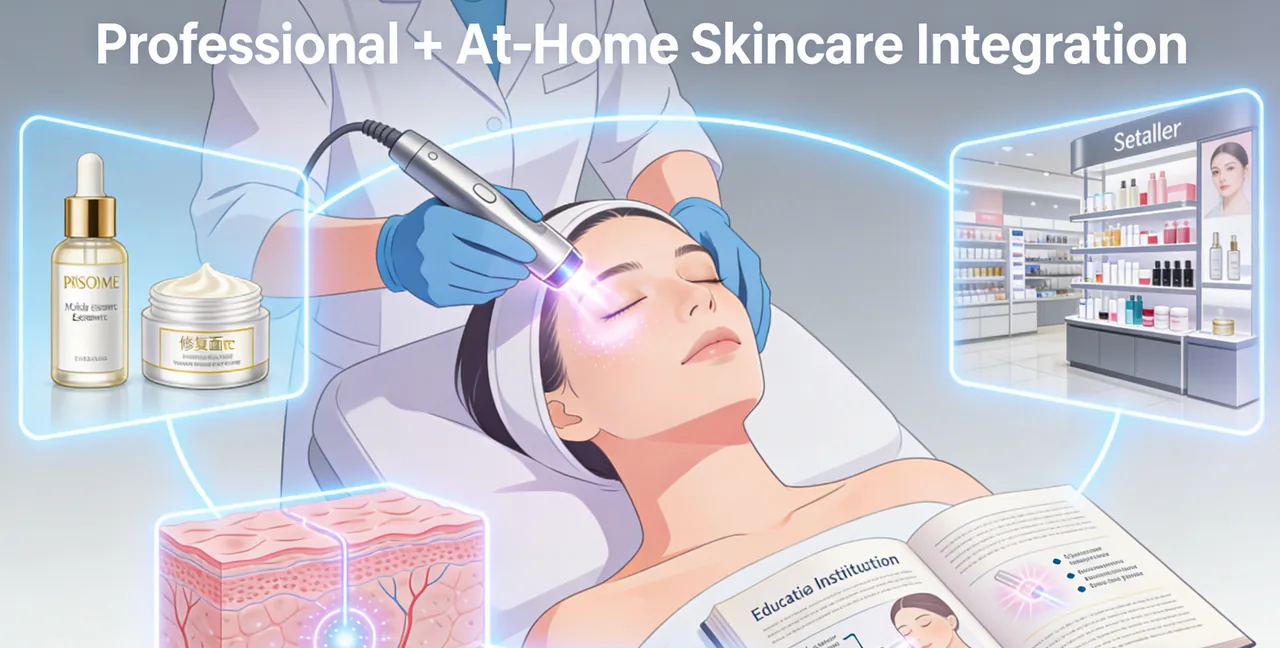
The expanding role of laser treatments is influencing adjacent segments of the beauty industry. Skincare brands and retailers are paying closer attention to how professional procedures affect product usage, particularly around hydration, barrier support, and recovery-focused care.As a result, educational messaging is evolving to address how in-office treatments and at-home skincare can coexist without overlapping claims. For the industry, this integration highlights a gradual but meaningful expansion of the professional aesthetics ecosystem within the U.S. beauty market.