I. Spending Trends: Affordable Goods Take Over, but It's a Bit Lopsided
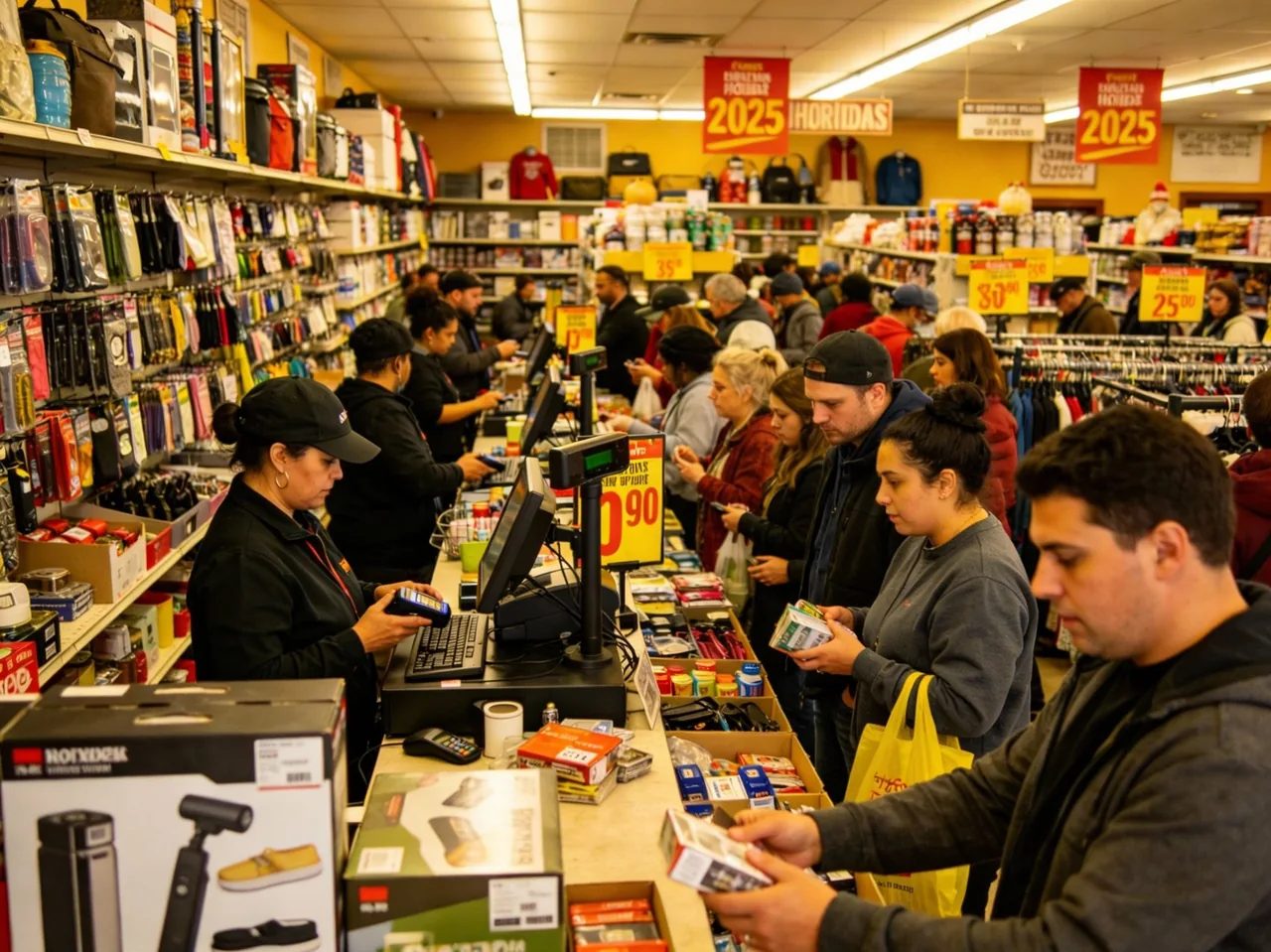
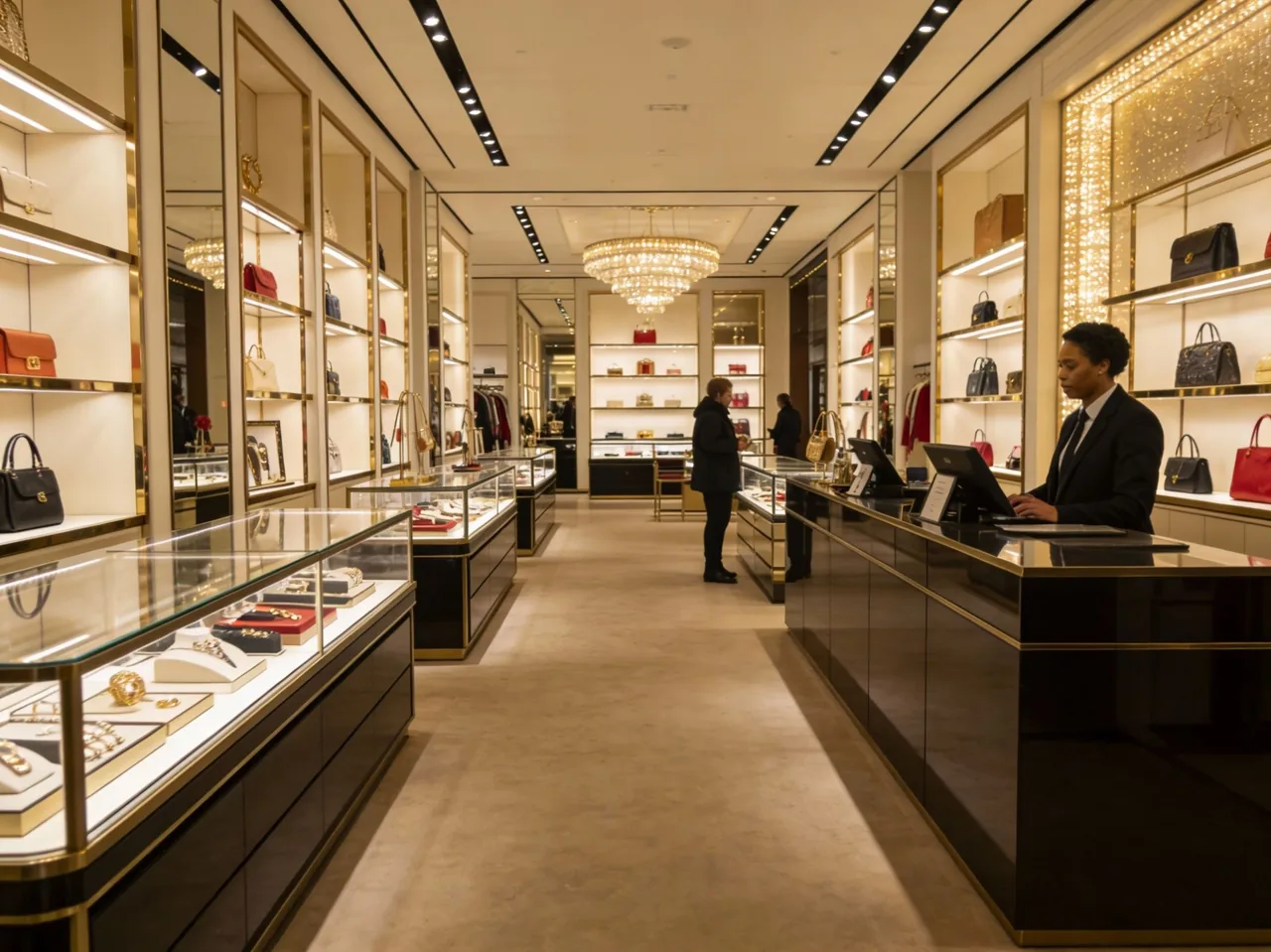
During the 2025 holiday season, US spending clearly split into two extremes. Data from Placer.ai showed that foot traffic for clothing at thrift stores and discount shops went up by 11.7% and 6.6% respectively. Meanwhile, luxury stores and department stores only saw a 1.8% rise. People were keen on discounted electronics, furniture, and toys. Cheaper items were the main drivers of spending growth, showing that everyone was being careful with their money.
II. Spending Was the Main Driver of Economic Growth
Consumer spending makes up two-thirds of the US economy and is always its core. Before the holiday season, spending helped the US economy grow at an annual rate of 4.3% in the third quarter. This was the fastest growth in nearly two years, even better than the 3.8% from the previous quarter. Online shopping also did really well, with Thanksgiving online spending reaching $6.4 billion and Black Friday jumping to $11.8 billion, up 5% and 9% from last year. This good news from spending helped relieve worries about slower hiring and rising inflation
III. Good and Bad News: Strong Spending, but Hidden Risks
While spending seems strong on the surface, there are some issues. Data from the University of Michigan shows that consumer confidence is at its lowest point since inflation was at its worst in 2022. Spending by middle and lower-income groups had already slowed down earlier this year, even McDonald's warned about it. PayPal's data suggests that about half of consumers plan to use buy now, pay later options to help with their budgets. This shows that people feel prices are high and they don't have much extra cash, which creates some uncertainty for the economy's future.